
Introduction
Indian retail has never been more connected. Shoppers discover products on social media, compare prices online, walk into stores to touch and try, pay with UPI, and expect updates on their phones at every step. The way retailers communicate has to keep up with that journey.
Here are the communication trends shaping retail in 2026, and what each one means for brands planning their customer messaging this year.
1. Conversational Commerce Goes Mainstream
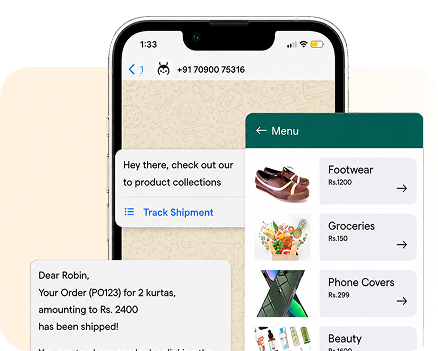
More shoppers now ask questions, browse catalogues, and even place orders inside WhatsApp. Retailers are using the WhatsApp Business API to share product images, answer sizing and availability questions, and send payment links in the same chat. For many customers, especially in smaller cities, chatting with a store feels more natural than navigating a website.
What it means: treat WhatsApp as a sales and service counter, not just a notification channel. Combine chatbots for quick answers with trained staff for higher-value conversations.
2. Rich Messaging Arrives in the Default Inbox
RCS lets retailers send branded messages with images, carousels, and buttons to the native messaging app on supported Android phones. A verified sender profile helps shoppers trust the message, and automatic fallback to SMS keeps reach intact.
What it means: test RCS for launches, festive offers, and order updates where visuals help shoppers decide, while keeping your DLT-registered SMS templates ready as the fallback.
3. Regional Language by Default
As retail grows beyond the largest metros, more shoppers prefer to read and chat in their own language. SMS, WhatsApp, and RCS all support Indian scripts, and voice and IVR can greet callers in regional languages.
What it means: build regional versions of your key templates and chatbot flows, and let customers choose their language once so every later message respects it.
4. Orchestration Across Channels
Shoppers do not think in channels. They expect the store, the app, the website, and their messages to know what they have just done. Retailers are moving from separate tools for each channel to a single platform that decides which channel to use for each message and falls back automatically if one fails.
- WhatsApp or RCS first for rich updates, with SMS as a fallback.
- SMS for OTPs and payment or UPI confirmations that must reach every phone.
- Voice for high-value order confirmations and COD verification.
- Email for invoices, warranties, and loyalty statements.
5. Consent, Privacy, and Trust
India’s Digital Personal Data Protection Act and TRAI’s ongoing work against spam and fraud are raising the bar for how retailers collect and use customer data. Shoppers are also more cautious about unknown senders and suspicious links.
What it means: collect clear consent at every touchpoint, keep preference and opt-out records accurate, use registered sender IDs and whitelisted links, and favour verified channels that help customers recognize genuine messages.
6. Planning for Festive Peaks All Year
Festive seasons and big sale events concentrate a large share of retail communication into a few weeks. Messaging infrastructure that works on an ordinary day can struggle under that load. Retailers are planning capacity, template approvals, and send schedules months in advance.
What it means: get DLT templates and WhatsApp templates approved well before the season, keep OTP and payment traffic separate from promotional campaigns, and spread large sends across the day. Run a smaller rehearsal campaign ahead of the main event to confirm that links, fallbacks, and delivery reports work as expected.
Conclusion
Retail communication in 2026 is conversational, rich, local, coordinated, and built on trust. Retailers who adapt will meet shoppers wherever they are, in the language and format they prefer.
Growtele brings SMS, WhatsApp, RCS, Voice, and Email together in one dashboard, with DLT-ready templates, APIs, and delivery reports, so retail teams can act on these trends without stitching together separate tools.
See how Growtele runs OTPs, alerts, and campaigns reliably at any daily volume.