

Introduction
Every few months a new marketing channel promises to change everything. Yet SMS, one of the oldest digital channels, is still part of almost every serious customer communication plan in India. It reaches feature phones and smartphones alike, it does not depend on an app or internet connection, and it lands in an inbox people check many times a day.
That does not mean SMS marketing suits every brand or every message. The right answer depends on your customers, your offers, and how you plan to use the channel. This guide will help you decide.
Where SMS Marketing Works Well
SMS shines when a message is short, time-sensitive, and relevant to the person receiving it. Brands in these situations usually see good results:
- Time-bound offers: flash sales, festive discounts, and limited-stock alerts that lose value if read tomorrow.
- Wide or mixed audiences: customers across cities, towns, and villages, including those without reliable data or a smartphone.
- Local businesses: restaurants, clinics, salons, and stores announcing events or reminders to nearby customers.
- Repeat-purchase categories: groceries, pharmacy, personal care, and subscriptions where reminders drive the next order.
- Brands already using SMS for OTPs and alerts: customers already recognize your sender ID, which builds trust in your promotional messages.
When SMS May Not Be the Best Fit
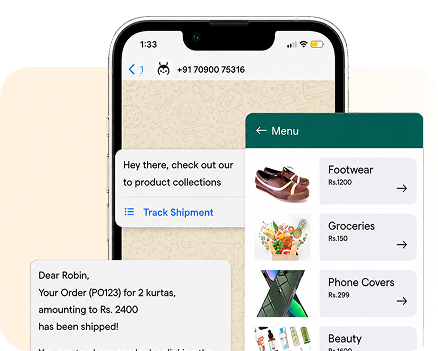
SMS is text-first and has a limited character count. If your product needs images, video, or a long explanation to make sense, a plain text message may not do it justice. Fashion lookbooks, property tours, and detailed financial products often perform better on WhatsApp, RCS, or email, with SMS used to point customers there.
SMS is also a poor fit if you do not have consent or a clean contact list. Buying databases or messaging people who never heard of you damages your sender reputation and creates compliance risk. In India, promotional SMS is governed by TRAI’s DLT rules, including registered headers and templates, permitted sending hours, and customer DND preferences. If you are not ready to follow these, wait until you are.
Questions to Ask Before You Start
- Do we have customer phone numbers collected with clear consent?
- Can our key offer be explained in one or two short sentences?
- Is there a clear action, such as a link, a code, or a missed-call number?
- Have we registered our entity, sender IDs, and templates on DLT?
- Do we know how we will measure success, beyond messages delivered?
- Which regional languages do our customers prefer?
If you can answer most of these with a confident yes, SMS marketing is very likely worth testing.
Start Small, Then Scale
Pick one campaign with a clear goal, such as a weekend sale or an appointment reminder, and send it to a well-defined segment. Use a trackable short link or unique code so you can see what happened after delivery. Review delivery reports, clicks, and redemptions, then adjust timing, copy, and audience before the next send.
As results come in, connect SMS with your other channels. Many brands use SMS for reach and urgency, WhatsApp for conversation, and email for detail, so each channel supports the others.
Give the test a fair run. One message rarely proves anything either way. Plan a short series over a few weeks, keep notes on what you changed each time, and judge the channel on the sales, bookings, or visits it drives rather than on delivery numbers alone.
Conclusion
SMS marketing is right for your brand when you have permission, a relevant offer, and a reason for customers to act now. Used thoughtfully, it remains one of the most direct ways to reach people across India.
Growtele makes it easy to start, with DLT-ready templates, audience segmentation, and delivery reports, plus WhatsApp, RCS, Voice, and Email in the same dashboard when you are ready to expand.
See how Growtele runs OTPs, alerts, and campaigns reliably at any daily volume.